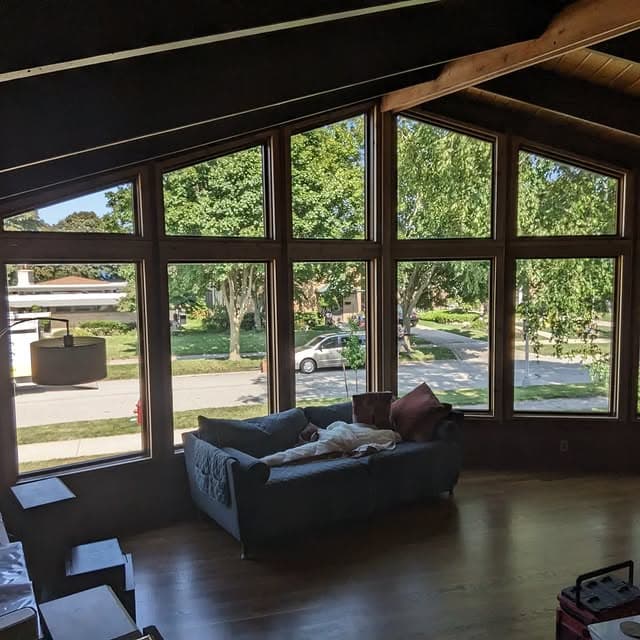
Window replacement in Milwaukee & SE Wisconsin.
The same carpenter who walks your home and measures your windows is the one who installs them. No sales team, no subcontractor you've never met — just Dan Cleveland and a crew he actually works alongside, doing the work he's been doing since 2001.
Request a free estimate→Why homeowners hire Dan for their windows.
A lot of window companies in Southeast Wisconsin are sales operations with an install team attached. Reps on commission, crews you meet the day of the job, contracts structured to push you into signing today.
That's not how we work.
Owner-operated, quote to cleanup
Dan shows up to measure your windows. Dan gives you the quote. Dan's on the job site the day of the install. There's no handoff. No “the installer will call you,” no subcontractor you've never met. One person is responsible for the whole job, and that's the person you've been talking to since day one.
Framing background, not just install
Dan started in finish carpentry on 175-unit apartment builds and spent years framing new homes before focusing on windows and doors. That matters when your old wood sill turns out to be soft, or the rough opening isn't square, or something behind the wall doesn't match what we expected.
The budget question, asked up front
Most installers dance around pricing. We ask about budget in the first ten minutes of the walk-through, not to push you toward the most expensive option, but because knowing what you want to spend is how we figure out which windows actually fit your home. No “sign today” discounts.
The window brands we install.
We install two primary brands. Both are genuinely good. The right one for your home depends on your budget, your climate exposure, and what you want the finished window to look like from the inside.
Pella
Dan is Pella certified in both the retail and trade divisions. That means factory-authorized training on every series Pella makes, direct access to their warranty and service channels, and the full product catalog to pick from. Not every “authorized dealer” holds both certifications.
- Pella Lifestyle Series. Wood interior with clad aluminum exterior. Energy efficient, customizable, paintable or stainable on the inside.
- Pella Reserve Series. Pella's premium wood line, typically chosen for historic homes or when the interior finish carpentry is the point.
- Pella Impervia (Fiberglass). Fiberglass framing that won't warp, swell, or fade. Strong choice for homes with significant sun exposure.
- Pella 250 Series (Vinyl). Pella's vinyl line when budget is the priority.
Provia
Provia makes a vinyl window that doesn't look like a vinyl window. Their interior uses a wood-grain veneer that reads as real wood but comes at vinyl pricing. When a customer wants the look of wood interior without the Lifestyle Series price tag, Provia is often the answer.
The best window for your home is the one that fits your budget, your climate, and the look you want, not the one with the biggest ad budget.
Types of windows we install.
Every window type serves a different purpose. Here's what we install and when each one makes sense.
- Double-Hung
- The most common residential window. Two sashes that slide vertically. Easy to clean from inside (both sashes tilt), good ventilation, works in almost any home style from Colonial to Craftsman.
- Casement
- Hinged on the side, cranks outward. Best seal of any operable window style. Good for hard-to-reach spots (over a kitchen sink, for example) where crank operation beats reaching for a sash.
- Awning
- Hinged at the top, opens outward from the bottom. Ideal for ventilation during rain: you can leave them open and water still runs down the outside of the glass. Often used in basements, bathrooms, or paired above larger fixed windows.
- Slider
- Horizontal sliders. Simple, durable, no cranks or hardware to fail. Work well in wider openings where a double-hung would look undersized.
- Fixed / Picture
- Doesn't open. Maximum glass, minimum frame. Used when the view matters more than ventilation.
- Bay and Bow Windows
- Bay = three windows angled outward to create a small interior nook. Bow = four to five windows in a gentler curve. Both add usable interior space and exterior dimension to a flat wall.
What we don't install: glass block windows. If you need glass block (commonly in basements), we can point you to someone who specializes in it.
From first call to final walkthrough.
Most installers won't tell you this in detail. Here's every step from your first phone call to final walkthrough.
- 01RequestYou reach out — form, call, or text.
- 02MeasureOn-site walk-through and spec.
- 03ProposalHonest numbers, itemized.
- 04OrderMaterials ordered, date set.
- 05InstallClean site, careful work.
- 06WalkthroughFinal check, handshake, done.
- № 01
Request a quote
Fill out the form on our contact page or reach out directly. Dan responds. Not an office manager, not a dispatcher. - № 02
On-site measurement
Dan comes to your home, measures every window, and walks through the house with you. He'll ask about what's bothering you (drafts, fog, noise, looks), what you've already priced from other installers, and the question most contractors avoid: what you want to spend. - № 03
Proposal with options
You'll get a pre-quote assessment as a clean HTML document. It lays out your options side by side: series, install type, pricing, lead time, and exactly what's included. No hidden “miscellaneous” line items. - № 04
Order and lead time
Once you approve, we place the order. Lead times from Pella typically run 4–6 weeks for most series; some products come in around 3 weeks. We'll give you a realistic target install date at the time of order, and tell you immediately if anything slips on the manufacturer's side. - № 05
Installation
Our crew shows up on schedule. A typical job pace: 24 windows plus an entry door took us two days (about 15 working hours). A single pocket-fit replacement can be done in an afternoon. We remove the old windows, dispose of debris, insulate around the new frames, wrap exteriors where needed, install or match interior trim, and clean up. - № 06
Quality walkthrough
Before we leave, Dan walks every window with you. We check operation, seal, trim, exterior wrap, and lock hardware. If something's off, we fix it then, not in a callback three weeks later.
- · Removal and disposal of old windows
- · Insulation around new frames (foam, not just caulk)
- · Exterior wrap on full-frame jobs
- · Interior trim that matches your existing millwork
- · Complete site cleanup
- · Quality walkthrough before we leave
Full-frame vs. pocket-fit: which is right for you?
The two approaches aren't interchangeable, and the difference shows up in price, timeline, and how the finished window performs. Here's what each one actually means.
Pocket-fit
Insert replacementThe existing wood frame, jambs, and interior casing stay put. A new sash and frame unit drop into the pocket — quicker, cleaner, and no drywall work. Right choice when the frame and sill are sound.
- 01Existing wood frame preserved
- 02New sash & frame insert
- 03Interior casing untouched
Full-frame
Down to the studsStrip the wall to the studs. New window unit, new flashing wrap, fresh insulation at the perimeter, new trim carpentry. More work, more disruption — and the only honest answer when water damage or a failed frame is on the table.
- 01Wall studs exposed
- 02Self-adhered flashing wrap
- 03Low-expansion foam seal
- 04New casing & apron trim
Goes inside your existing frame.
Faster, less disruptive, less expensive. The existing interior trim stays in place. Typical cost range: $800–$1,500 per window for vinyl; $1,500–$2,500 for Lifestyle Series.
- · Your existing frame is structurally sound
- · You want to keep the original interior trim
- · Budget is a primary driver
- · You don't have known rot or water damage
Back to the studs.
New window, new flashing, new insulation, new trim inside and out. More expensive and more disruptive, but you end up with a window that behaves like new construction. Typical cost: $1,500–$2,500 per window for vinyl; $2,500–$4,000 for Lifestyle Series.
- · You care about maximum energy efficiency
- · Your existing frames show any rot or water damage
- · You want the interior to look like new construction
- · You're planning to stay in the home long-term
“Full frame is always my push if the customer cares about efficiency. Get right back down to the studs and build everything back from the original framing.”
Most homes end up with a mix.Sound frames in low-exposure walls usually get pocket-fits. Rotted or drafty frames on exposed walls get full-frames. We sort that out window by window when we walk your home. No blanket “we only do full-frame” or “we only do pocket-fit” like some installers.
How much does window replacement cost?
Short answer: in Southeast Wisconsin, budget $800–$4,000 per window installed, depending on three things:
- Window series: vinyl (lowest) through fiberglass and premium wood (highest)
- Install type: pocket-fit is typically 30–40% less than full-frame
- Unknowns behind the walls: rotted sills, custom sizes, historic homes, or upper-floor installs all add cost
| Product · Install | Range per window |
|---|---|
| Pella 250 Series (vinyl), pocket-fit | $800–$1,500 |
| Pella 250 Series (vinyl), full-frame | $1,500–$2,500 |
| Lifestyle Series (wood/clad), pocket-fit | $1,500–$2,500 |
| Lifestyle Series (wood/clad), full-frame | $2,500–$4,000 |
| Fiberglass (Impervia) | Quote required |
Request a free estimate and we'll quote your specific windows, not a web-page average.
Signs you need new windows.
You probably already know. But if you're on the fence, here's what we look for on every walk-through.
- Condensation or fog between the panes. The seal has failed. The window is no longer insulating the way it should.
- Soft wood on the exterior sills or frames. Rot means water's been getting in for a while. It only gets worse.
- Drafts you can feel standing in front of the window on a windy day. Your home is leaking conditioned air.
- Rising energy bills with no other explanation: no new appliances, no rate hikes, no HVAC issues.
- Road or highway noise that's gotten louder over time. Old seals degrade. If you're within earshot of a highway, ask us about triple-pane.
- Windows that stick, won't stay open, or have broken hardware. Sometimes repairable; often a sign the sash or balance system is past its useful life.
- Single-pane glass, period. If you still have single-pane in Wisconsin, replacement pays back faster than almost any other home improvement.
Three layers of coverage.
On every window install:
- Manufacturer warranty on the window itself. Terms vary by series. Pella offers a lifetime limited warranty on most of their product line.
- Glass warranty (separate from the overall manufacturer warranty) covers seal failure on the insulated glass unit. Pella's glass warranty is among the best in the industry.
- Our workmanship warranty covers the install itself. If water gets past our flashing, if trim pops, if something we did doesn't hold up, we come back and fix it.
Forty miles of Waterford.
That covers most of Southeast Wisconsin's metro and lake-country markets.
Not sure if we cover your area? Ask us. If we don't, we might know someone good who does.
Frequently asked questions.
- Do you install windows in winter?
- Not in below-freezing temperatures (including windchill). Foam insulation and caulking don't cure properly at those temps. The result is seals that fail within a year, not decades. In the teens and 20s we can work with mitigations: closing off rooms, heating the work area, and choosing products that tolerate cold installs.
- How long does a window replacement take?
- A single pocket-fit can be done in an afternoon. A whole-house replacement of 20–24 windows typically takes two days with a two-person crew. Full-frame work adds about 20–30% to the timeline vs. pocket-fit.
- What's the lead time on ordering?
- Most Pella series run 4–6 weeks from order to install date. Some simpler products come in closer to three weeks. We'll give you a realistic install window at the time of order and flag any slippage immediately.
- Do you do new construction windows too?
- Yes. New construction installs are actually simpler than retrofits: fewer unknowns behind the walls, standard rough openings, no old interior trim to preserve. We work with homebuilders and homeowners on both.
- What's the most common mistake homeowners make?
- Defaulting to vinyl without understanding what the upgrade options actually cost. Vinyl is a legitimate choice at the right price point. But if you'd told us what you want the finished window to look like, you might learn that Lifestyle Series is only $400 more per window and lasts twice as long. The mistake is skipping that conversation.
- Do I need to be home during installation?
- Someone should be reachable. You don't need to hover; we'll have questions as we go, especially on the first window of a job, and we want to catch any issues while the decision-maker is a phone call away.
- What happens if you find rot or damage once the old window is out?
- Dan calls you before doing any additional work. Every change order goes through you first. No surprise line items on the invoice.
- Do you handle historic homes or non-standard sizes?
- Yes. Framing background plus retrofit work across Southeast Wisconsin since 2001 means we've seen most of what old houses throw at us: balloon framing, cast-iron weights, plaster-and-lath walls, original-to-the-1910s trim we're trying to preserve. Tell us what you have and we'll tell you honestly what's possible.
Five stars on Google.
Verified reviews from homeowners we've installed windows for — the same crew, communication, and attention to detail you'll get on your job.
“We recently had 17 Pella windows installed by Meat and Potatoes Carpentry, and I can't say enough great things about the experience. Dan, the owner, was outstanding to work with from start to finish.”
“Dan and his crew recently removed and installed 9 new Pella windows for me on my log home. They did an amazing job! Were prompt in showing up, worked like a fine-tuned team.”
“Dan and his team replaced a couple Pella windows for us. They did an excellent job — A+ work! Very professional, efficient, and thorough. He even got us some flowers to replace the ones that accidentally got damaged during installation. Really thoughtful!”
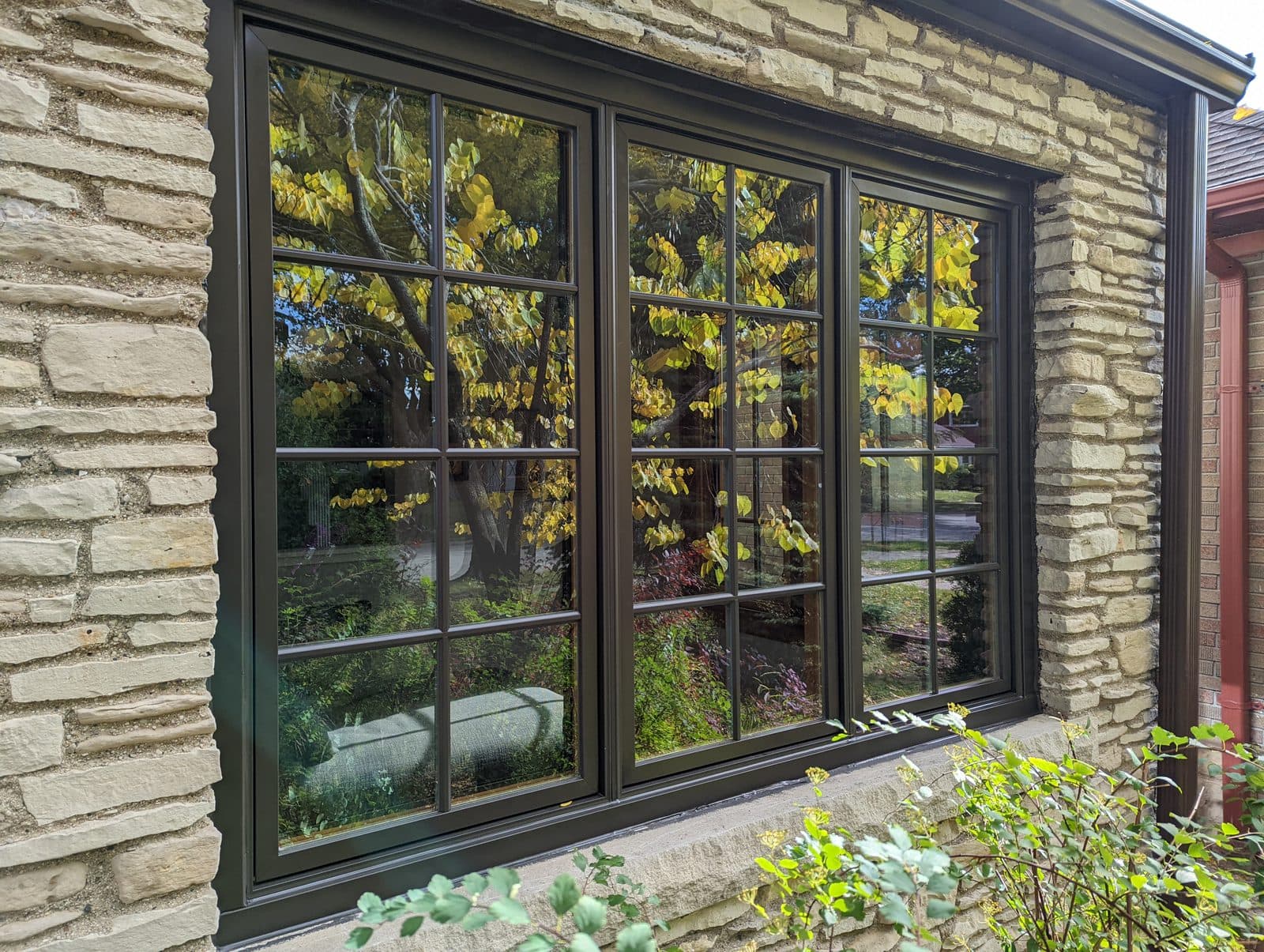
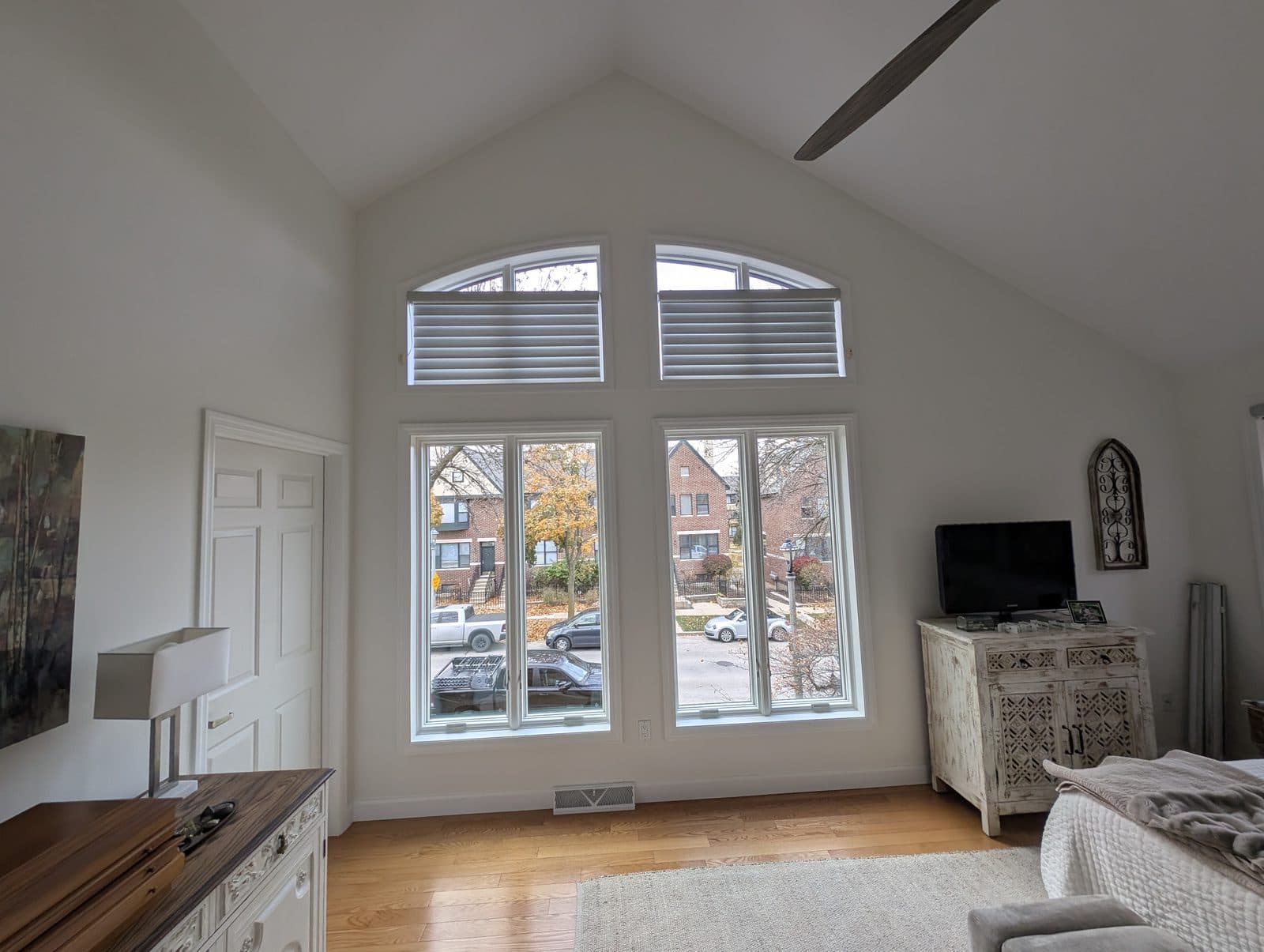
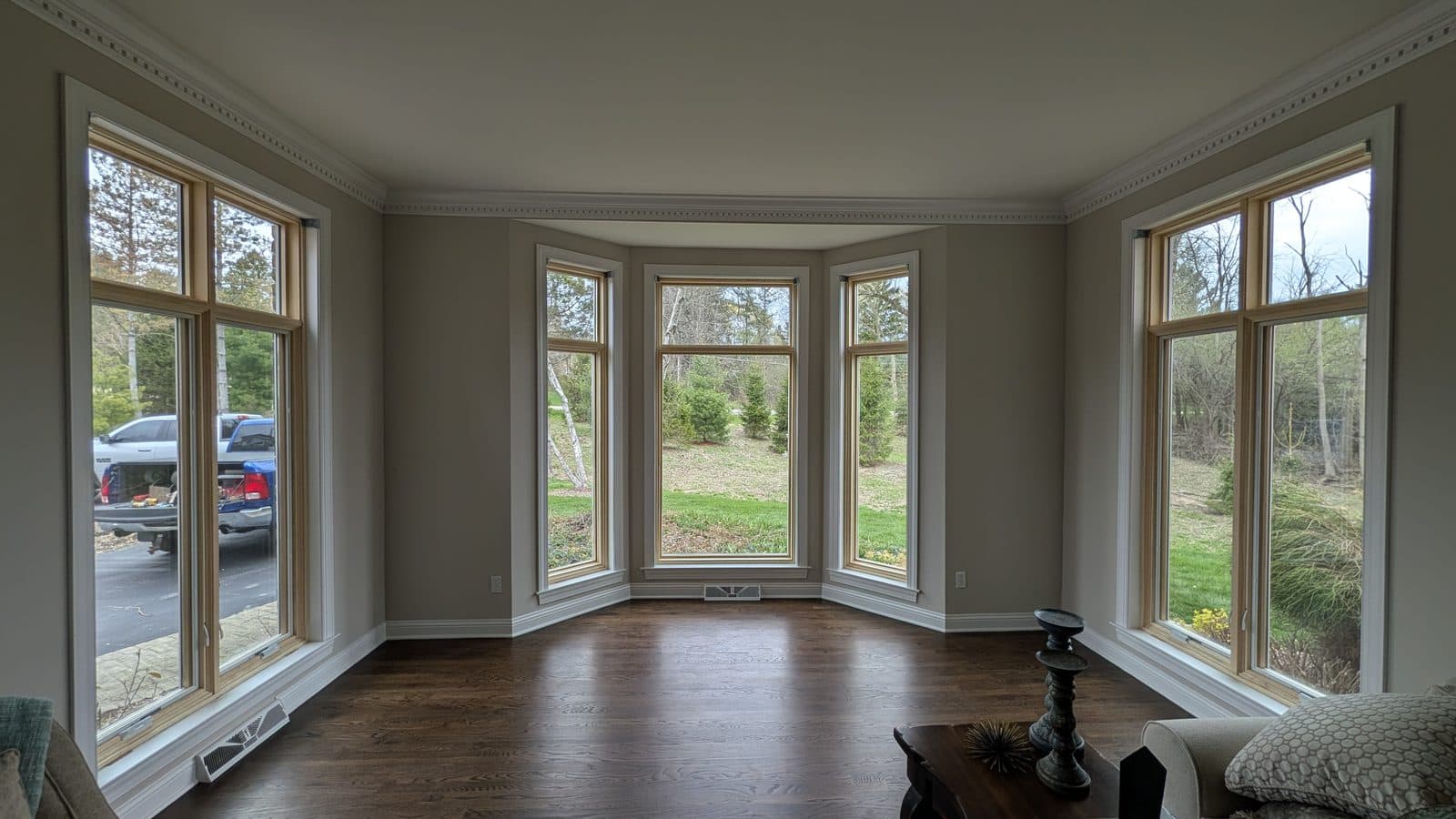
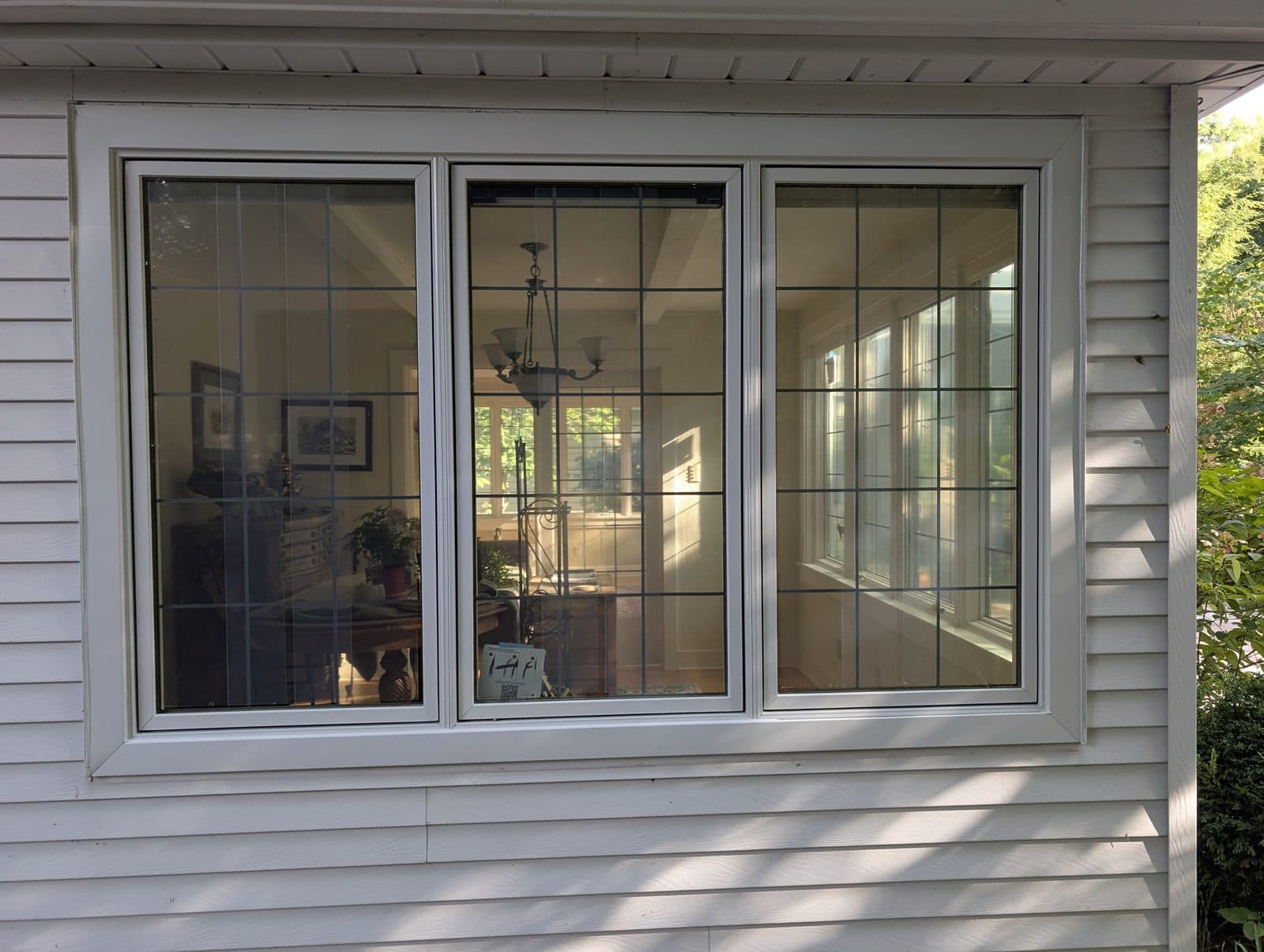
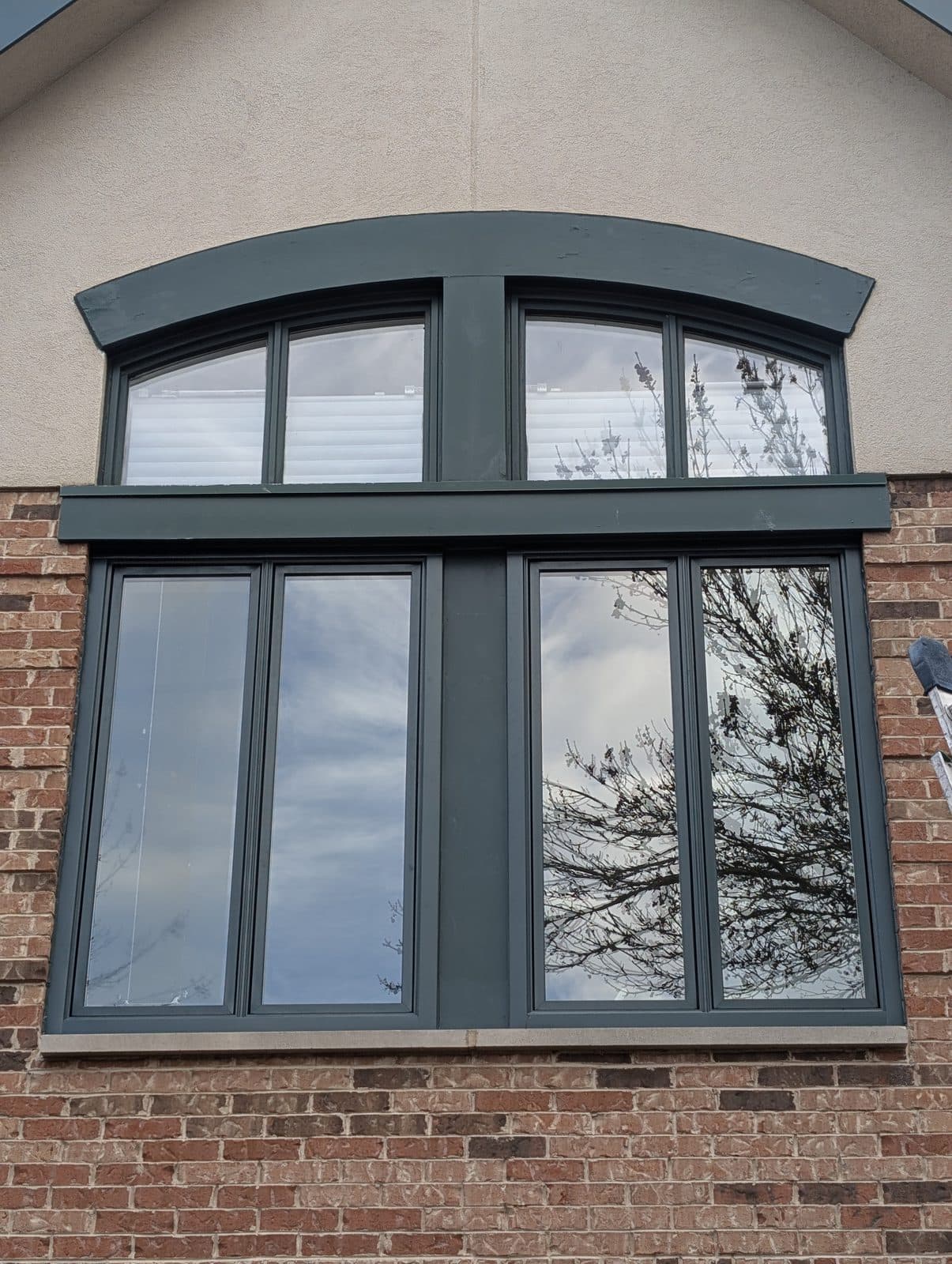
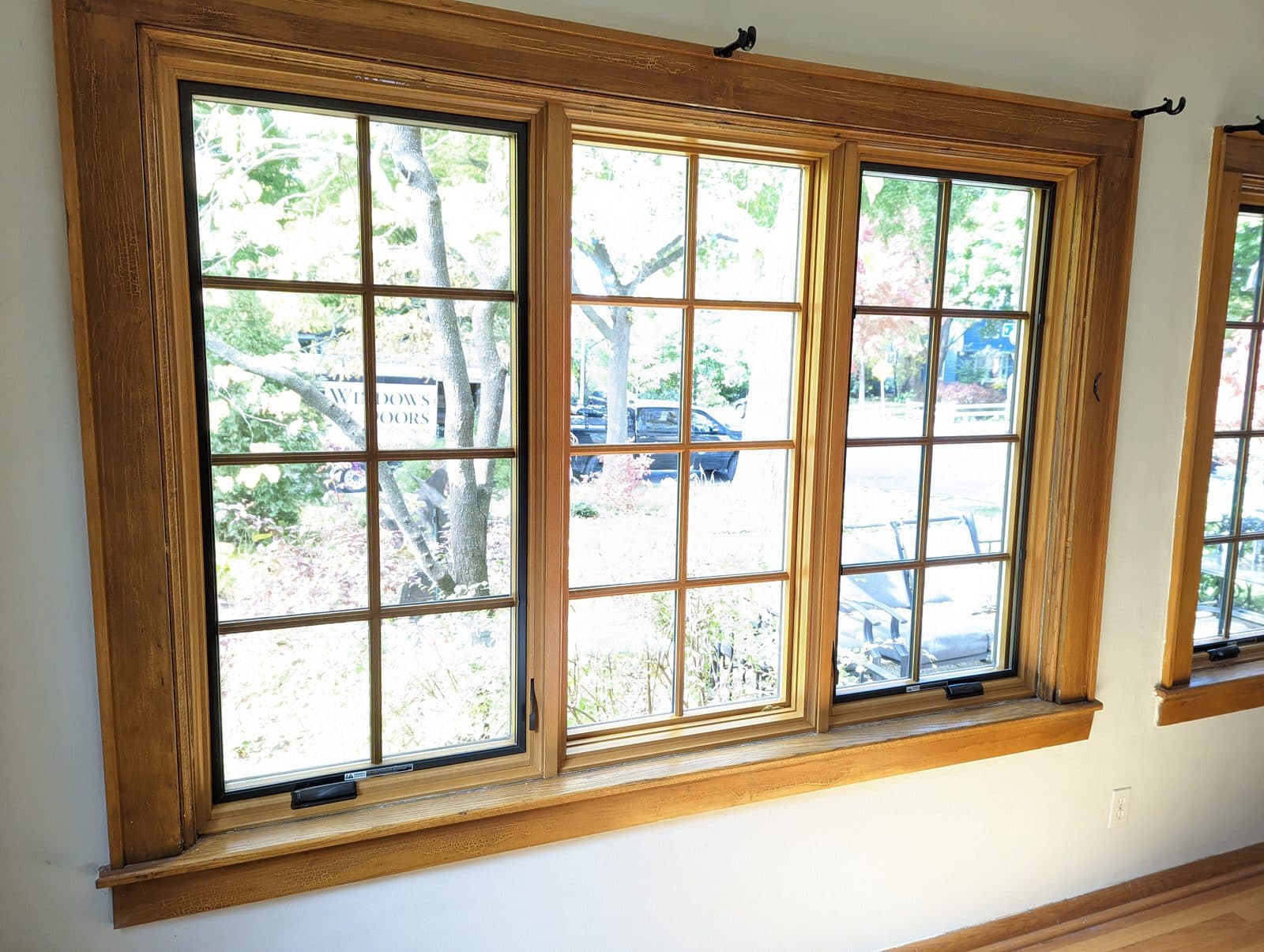
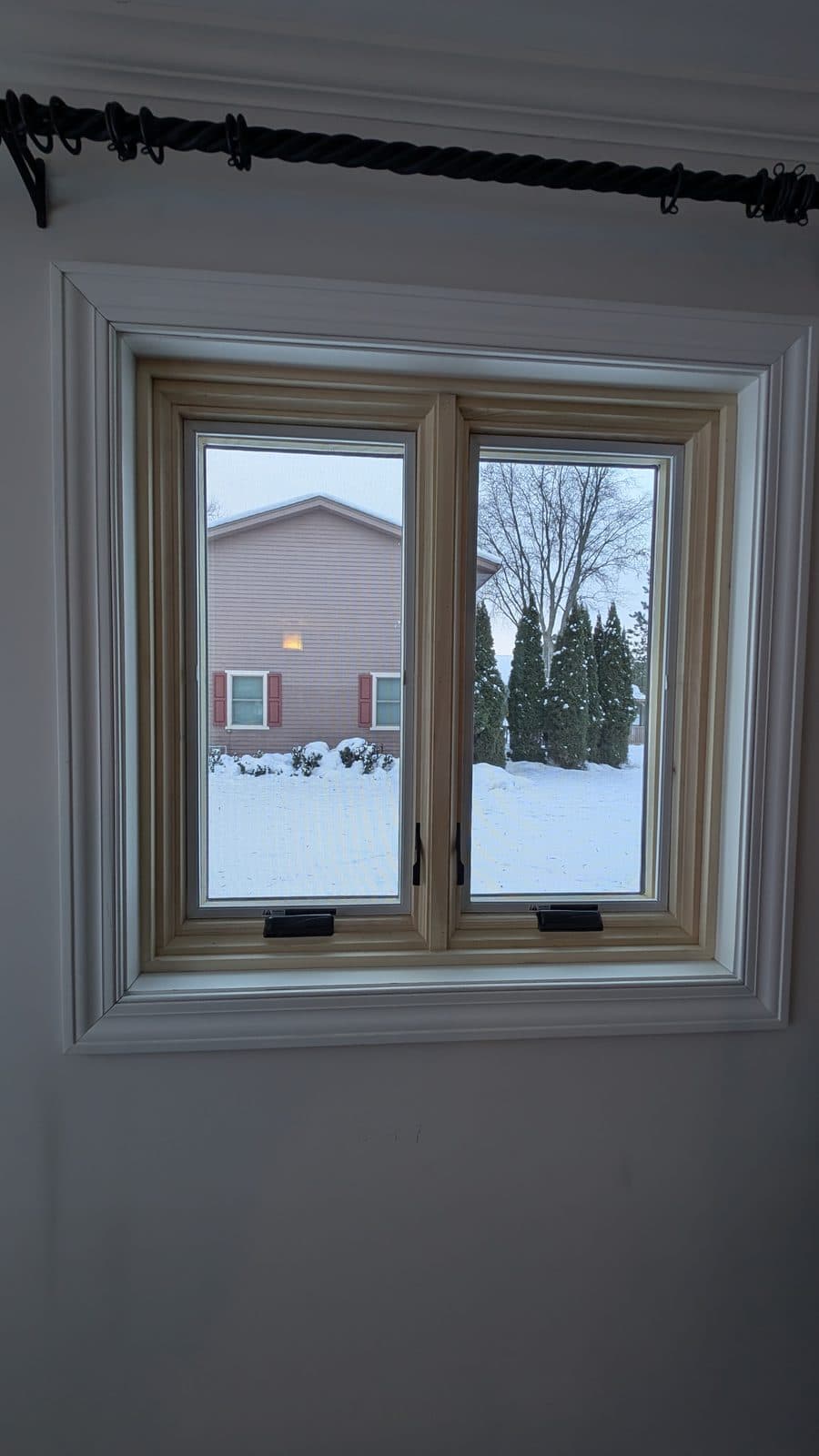
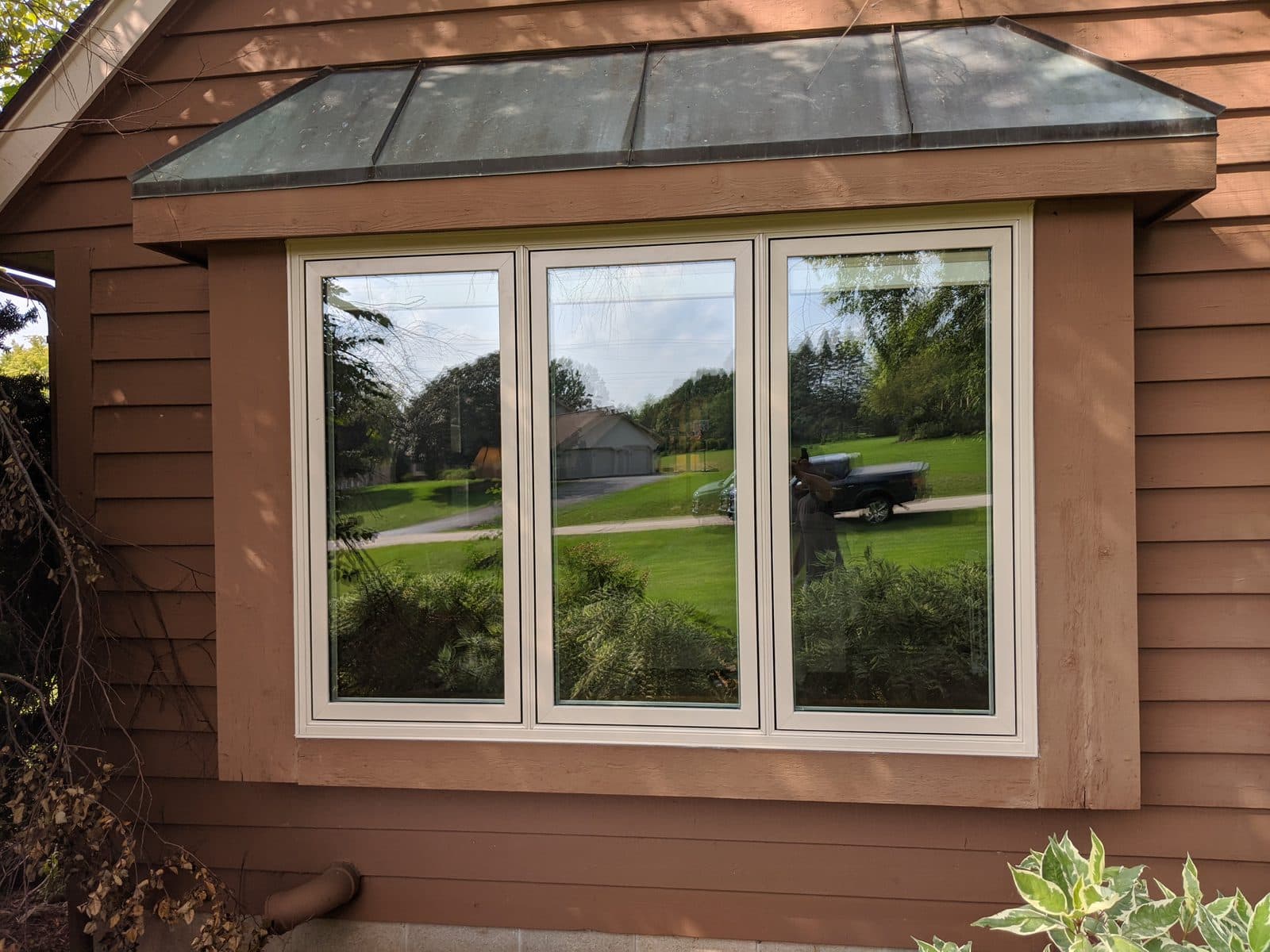
A few casements we've installed.
Casement installs across Southeast Wisconsin — Pella wood-clad, fiberglass, and vinyl, from single openings to full bay configurations. Real jobs, not stock photos.
A real quote from Dan — not a call center.
Same-day response most weekdays. No pressure, no sales pitch, no “sign today” discounts. Just an honest assessment of your windows and a clear price.
Request a free estimate→